
Best No KYC crypto casinos have revolutionized online gambling by offering players unprecedented privacy, faster transactions, and freedom from intrusive verification processes. However, your experience at these platforms largely depends on one critical decision: which cryptocurrency to use. The right digital currency can mean instant deposits, minimal fees, and seamless withdrawals, while the wrong choice might leave you waiting hours for confirmations or paying excessive transaction costs.
This comprehensive guide will walk you through the essential factors to consider when selecting the best cryptocurrency for gambling in the best no KYC crypto casinos. We’ll analyze how transaction speeds, fees, privacy features, and market acceptance impact your gambling experience, helping you make an informed choice that aligns with your specific priorities and gambling style.
Why Your Cryptocurrency Choice Matters for No KYC Gambling
When gambling at no KYC casinos, your cryptocurrency choice directly impacts several crucial aspects of your experience:
- Waiting Time: Transaction confirmation times vary dramatically between cryptocurrencies, from seconds to hours, affecting how quickly you can start playing or access your winnings.
- Cost Efficiency: Network fees can range from negligible to prohibitively expensive, especially during high network congestion.
- Privacy Level: Different cryptocurrencies offer varying degrees of anonymity, from basic pseudonymity to complete transaction privacy.
- Availability: Not all casinos support all cryptocurrencies, so your choice affects which platforms you can access.
- Value Stability: Cryptocurrency volatility can impact your bankroll value during your gambling session.
Understanding these factors is essential for optimizing your no KYC casino experience. Let’s explore each of these considerations in detail to help you make the most informed decision.
Ready to Start Gambling with Crypto?
Create an account at a trusted cryptocurrency exchange to purchase your preferred coins. Get Started with Binance
Transaction Speed & Confirmation Times
Transaction speed is perhaps the most immediately noticeable factor when using cryptocurrency at no KYC casinos. This directly affects how quickly you can start playing after making a deposit and, more importantly, how fast you can access your winnings.
How Blockchain Confirmation Works
When you send cryptocurrency, the transaction must be verified and added to the blockchain through a process called confirmation. Each cryptocurrency network has its own confirmation mechanism and time:
- Bitcoin (BTC): Typically requires 10-60 minutes for confirmation, with an average of 1 block every 10 minutes.
- Ethereum (ETH): Confirms transactions in approximately 15 seconds to 5 minutes, depending on network congestion.
- Litecoin (LTC): Designed for speed, with confirmations averaging 2.5 minutes.
- Ripple (XRP): Extremely fast with confirmations in just 3-5 seconds.
- Solana (SOL): One of the fastest networks with sub-second confirmation times.
Impact on Your Gambling Experience
Faster confirmation times translate to a more seamless gambling experience. When depositing, you’ll be able to start playing almost immediately rather than waiting for confirmations. For withdrawals, quick confirmation means you can access your winnings without delay – particularly important if you’ve hit a significant win and want to secure your profits.
“The difference between waiting 3 seconds versus 30 minutes for a transaction to confirm can dramatically change your gambling experience, especially when making multiple deposits or withdrawals in a single session.”
For players who value instant transactions, cryptocurrencies like XRP, Solana, and Litecoin offer significant advantages over slower options like Bitcoin. However, speed isn’t the only consideration – network reliability and the likelihood of transaction failures also matter, which is where established networks like Bitcoin and Ethereum often excel despite their slower speeds.
Transaction Fees (Network Fees)
Transaction fees can significantly impact your overall gambling profitability, especially if you make frequent deposits and withdrawals. These fees vary widely between cryptocurrencies and can fluctuate based on network congestion.
How Network Fees Work
Cryptocurrency transactions require computational resources to process and validate. Network fees compensate the validators (miners or stakers) who perform this work. During periods of high demand, fees typically increase as users compete to have their transactions processed quickly.
- Bitcoin (BTC): Fees can range from $1-20+ depending on network congestion, sometimes spiking much higher during peak periods.
- Ethereum (ETH): Gas fees fluctuate dramatically, from $1-100+ based on network activity and complexity of the transaction.
- Litecoin (LTC): Consistently low fees, typically under $0.05 per transaction regardless of network conditions.
- Ripple (XRP): Extremely low fees, usually around $0.0002 per transaction.
- Dogecoin (DOGE): Very affordable fees, typically under $0.01 per transaction.
Fee Considerations for Gamblers
When selecting a cryptocurrency for gambling, consider how fees will affect your strategy:
High-Volume Players
If you make frequent deposits and withdrawals, even small fees can accumulate quickly. Low-fee cryptocurrencies like XRP, Solana, or Litecoin may save you significant amounts over time.
High-Value Players
For large transactions, a fee of $5-10 might be negligible compared to the security and widespread acceptance of networks like Bitcoin, making it potentially worth the cost.
Tip: Some no KYC casinos cover withdrawal fees for certain cryptocurrencies or offer fee-free withdrawals above specific amounts. Check the casino’s banking page for these potential savings.
For most casual players, cryptocurrencies with consistently low fees like Litecoin, Ripple, or Dogecoin offer the best balance of cost-efficiency and reliability, especially for smaller transactions under $1,000.
Minimize Your Transaction Fees
Create a wallet that supports multiple low-fee cryptocurrencies for optimal flexibility. Get Exodus Wallet
Privacy & Anonymity Level

Privacy is a primary reason many players choose the best no KYC crypto casinos. However, not all cryptocurrencies offer the same level of anonymity. Understanding these differences is crucial if maintaining privacy is your priority.
Privacy Spectrum of Cryptocurrencies
Pseudonymous
Transactions are visible on public blockchains but not directly linked to real identities. Examples include Bitcoin and Ethereum. While not immediately identifiable, sophisticated analysis can potentially trace transaction patterns.
Enhanced Privacy
Cryptocurrencies with optional privacy features that can obscure transaction details when activated. Dash with PrivateSend and Zcash with shielded transactions fall into this category.
Privacy-Focused
Built specifically for anonymity with mandatory privacy features. Monero is the leading example, using ring signatures, stealth addresses, and RingCT to make transactions untraceable.
Privacy Considerations for No KYC Casino Players
When evaluating cryptocurrencies for privacy in gambling contexts, consider:
- Blockchain Transparency: Bitcoin and most altcoins have completely transparent blockchains where anyone can view transaction amounts, sender and receiver addresses, and timing.
- Address Reuse: Using the same address multiple times creates a transaction history that can be analyzed to identify patterns.
- Chain Analysis: Companies specializing in blockchain analysis can often connect pseudonymous transactions to real-world identities, especially when cryptocurrency is converted to fiat currency.
“True privacy in cryptocurrency gambling requires more than just using a best no KYC crypto casino – it depends on choosing a privacy-focused coin and following proper operational security practices.”
If maximum privacy is your priority, Monero (XMR) stands out as the best option, though it’s accepted at fewer casinos than mainstream cryptocurrencies. For a balance of privacy and acceptance, consider using mixing services with Bitcoin or utilizing Zcash’s shielded transactions, though these add complexity to the process.
Casino Acceptance & Availability
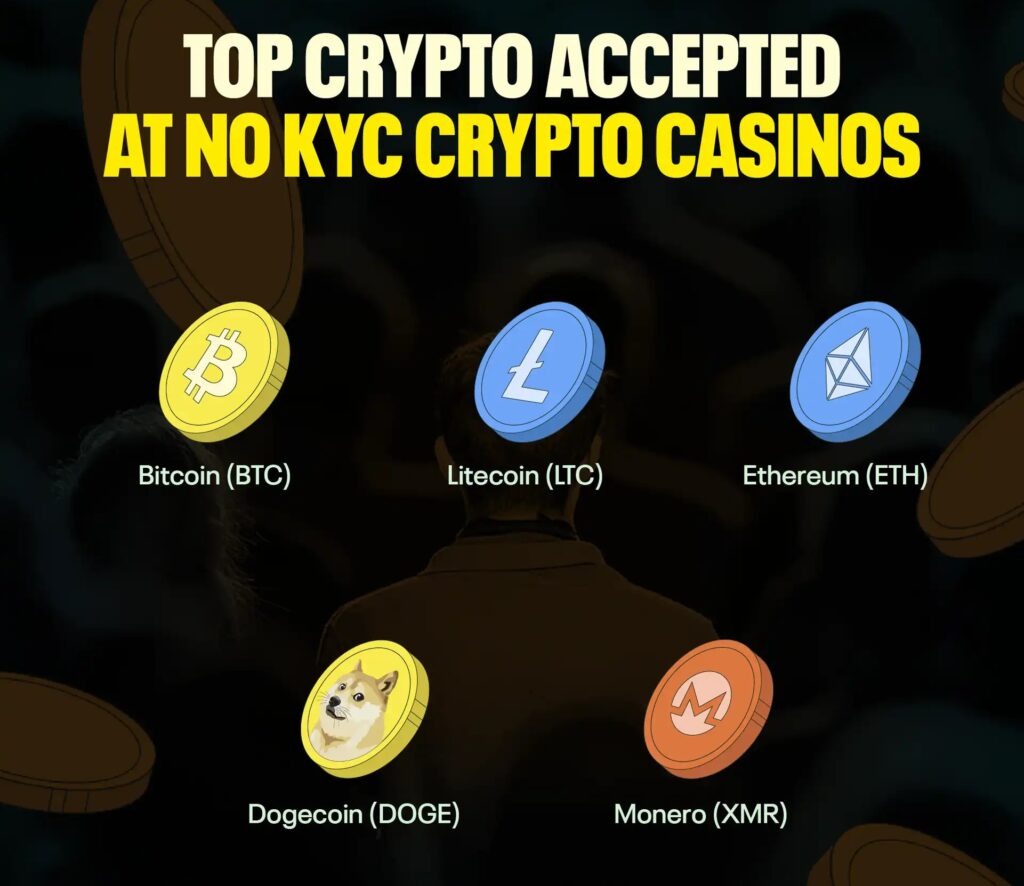
Even the fastest, most private cryptocurrency has limited utility if it’s not widely accepted at no KYC casinos. Casino acceptance varies significantly across different cryptocurrencies.
Cryptocurrency Acceptance Hierarchy
Based on our analysis of over 50 no KYC casinos, here’s the typical acceptance pattern from most to least common:
- Bitcoin (BTC): Accepted at virtually 100% of crypto casinos, making it the universal standard.
- Ethereum (ETH): Supported by approximately 90% of no KYC casinos.
- Litecoin (LTC) & Tether (USDT): Accepted at roughly 75-80% of platforms.
- Ripple (XRP), Bitcoin Cash (BCH), & Dogecoin (DOGE): Available at about 50-60% of sites.
- Solana (SOL), Cardano (ADA), & Polygon (MATIC): Gaining traction with 30-40% acceptance.
- Privacy Coins (Monero, Zcash): Limited acceptance at 10-20% of platforms due to regulatory concerns.
Implications for Cryptocurrency Selection
When evaluating which cryptocurrency to use, consider how acceptance affects your options:
- Platform Flexibility: Using widely accepted coins like Bitcoin and Ethereum gives you access to the broadest range of no KYC casinos.
- Specialized Features: Some casinos optimize for specific cryptocurrencies, offering lower minimum deposits, faster confirmations, or special bonuses.
- Multi-Currency Support: Many modern no KYC casinos support in-platform conversion between cryptocurrencies, allowing you to deposit with one coin and withdraw with another.
Important: Always verify which cryptocurrencies a casino accepts for both deposits AND withdrawals. Some platforms allow deposits in numerous cryptocurrencies but limit withdrawals to just a few options.
For maximum flexibility, maintaining balances in 2-3 widely accepted cryptocurrencies (typically Bitcoin, Ethereum, and Litecoin) ensures you’ll rarely encounter a no KYC casino you can’t access.
Explore the Top Best No KYC Crypto Casinos
Find casinos that accept your preferred cryptocurrencies with instant withdrawals. Visit BetPanda Casino
Stability & Volatility
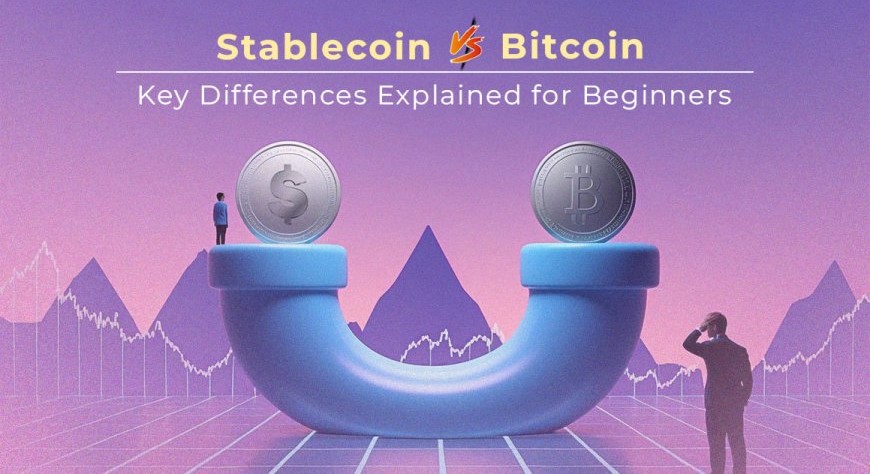
Cryptocurrency volatility can significantly impact your gambling bankroll, sometimes overshadowing your actual gambling results. Understanding the stability characteristics of different cryptocurrencies helps manage this risk.
Volatility Spectrum
Volatile Cryptocurrencies
Bitcoin, Ethereum, and most altcoins can experience price swings of 5-20% in a single day. While this volatility creates potential for appreciation, it also means your gambling bankroll’s value can decrease substantially during your session.
Stablecoins
Cryptocurrencies like Tether (USDT), USD Coin (USDC), and Dai (DAI) are designed to maintain a consistent value, typically pegged to the US dollar. These coins provide the benefits of cryptocurrency transactions without the price volatility.
Strategic Considerations
Your approach to volatility should align with your gambling goals:
- Short-Term Gambling: For sessions lasting hours or days, stablecoins provide predictable bankroll value, allowing you to focus solely on gambling outcomes.
- Long-Term Holding: If you plan to keep funds in cryptocurrency between gambling sessions, volatile coins offer potential appreciation but with corresponding risk.
- Hybrid Approach: Many experienced players maintain gambling funds in stablecoins while keeping profits in volatile cryptocurrencies as a long-term investment strategy.
“Using stablecoins for gambling effectively separates your gambling results from cryptocurrency market movements, giving you clearer insight into your actual gambling performance.”
For most players, stablecoins like USDT or USDC offer the ideal balance for active gambling, combining the privacy and speed benefits of cryptocurrency with the stability of fiat currency. However, if you’re comfortable with additional volatility and potential upside, traditional cryptocurrencies may align better with your risk tolerance.
Cryptocurrency Comparison Table for No KYC Casino Gambling
| Cryptocurrency | Transaction Speed | Average Fee | Privacy Level | Casino Acceptance | Volatility | Best For |
| Bitcoin (BTC) | 10-60 minutes | $1-20 | Pseudonymous | High (95-100%) | High | Universal acceptance, security |
| Ethereum (ETH) | 15 sec – 5 min | $1-50 | Pseudonymous | High (85-90%) | High | Smart contract casinos, wide acceptance |
| Litecoin (LTC) | 2.5 minutes | $0.01-0.05 | Pseudonymous | Medium-High (75-80%) | Medium-High | Fast, low-fee transactions |
| Ripple (XRP) | 3-5 seconds | $0.0002 | Pseudonymous | Medium (50-60%) | Medium | Ultra-fast transactions |
| Monero (XMR) | 2 minutes | $0.10-0.50 | Private | Low (10-20%) | Medium-High | Maximum privacy |
| Tether (USDT) | Varies by network* | Varies by network* | Pseudonymous | Medium-High (75-80%) | Very Low | Stable value, predictable bankroll |
| Solana (SOL) | 400ms | $0.00025 | Pseudonymous | Medium (30-40%) | High | Ultra-fast, nearly free transactions |
*USDT operates on multiple blockchains including Ethereum, Tron, and Solana. Speed and fees depend on which network you use.
Note: Transaction speeds and fees represent typical values but can vary based on network congestion. Casino acceptance percentages are approximations based on our survey of popular no KYC casinos as of February 2026.
Cryptocurrency Recommendations for Different Gambling Styles
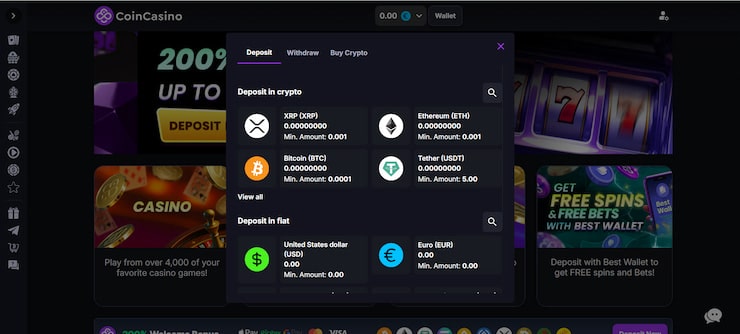
Different gambling styles and priorities call for different cryptocurrency choices. Here are our recommendations based on specific player needs:
For Casual Players
Best Choice: Litecoin (LTC)
Litecoin offers the perfect balance for casual gamblers: fast confirmations, consistently low fees, and wide acceptance. Its established history provides reliability without the high costs associated with Bitcoin or Ethereum. Get Litecoin
For High-Volume Players
Best Choice: XRP or Solana (SOL)
If you make frequent deposits and withdrawals, transaction speed and low fees become critical. XRP and Solana offer near-instant confirmations with minimal fees, making them ideal for active players who value efficiency. Get XRP
For Privacy-Focused Users
Best Choice: Monero (XMR)
Nothing beats Monero for privacy. Its ring signatures and stealth addresses provide complete anonymity that even Bitcoin can’t match. The tradeoff is limited casino acceptance, but for those prioritizing privacy above all, it’s the clear choice. Get Monero
For High-Rollers
Best Choice: Bitcoin (BTC)
Despite higher fees and slower confirmations, Bitcoin remains the best option for large transactions. It offers the highest liquidity, universal acceptance, and the most established security track record – crucial factors when moving significant sums. Get Bitcoin
For Stability-Focused Players
Best Choice: Tether (USDT) on TRC20
If you want to focus on gambling without worrying about cryptocurrency price fluctuations, USDT on the Tron network offers stable value with fast, low-cost transactions. This combination provides the benefits of both stability and efficiency. Get USDT
For Balanced Approach
Best Choice: Portfolio Approach
Many experienced players maintain balances in multiple cryptocurrencies: Bitcoin for large transactions, Litecoin for everyday gambling, and perhaps a stablecoin as a reserve. This approach maximizes flexibility across different situations. Get Multi-Coin Wallet
“The ideal cryptocurrency for the best no KYC crypto casino gambling isn’t universal – it depends on your specific priorities, gambling frequency, and risk tolerance.”
Step-by-Step Guide to Choosing Your Gambling Cryptocurrency
Follow this practical checklist to determine which cryptocurrency best suits your no KYC casino gambling needs:
- Assess Your Privacy Requirements Determine how important anonymity is to you. If complete privacy is essential, privacy coins like Monero should be your priority. If basic pseudonymity is sufficient, more widely accepted options become viable.
- Check Casino Compatibility Research which cryptocurrencies your preferred no KYC casinos accept. Focus on coins that are supported for both deposits AND withdrawals. This may immediately narrow your options.
- Evaluate Your Transaction Frequency Consider how often you’ll deposit and withdraw. Frequent transactions benefit more from low-fee options like Litecoin or XRP, while occasional large transactions might justify Bitcoin’s higher fees.
- Consider Your Bankroll Size Smaller bankrolls ($50-500) are more significantly impacted by transaction fees. For these amounts, low-fee cryptocurrencies are strongly preferred to avoid fees consuming a large percentage of your funds.
- Assess Your Risk Tolerance Determine your comfort level with price volatility. If you want to focus purely on gambling outcomes without cryptocurrency price risk, stablecoins like USDT or USDC are ideal.
- Test With Small Amounts Before committing large sums, test your chosen cryptocurrency with a small deposit and withdrawal to verify the process works smoothly with your selected casino.
- Consider a Multi-Currency Approach For maximum flexibility, maintain balances in 2-3 different cryptocurrencies that cover various needs: perhaps Bitcoin for wide acceptance, Litecoin for efficiency, and a stablecoin for value preservation.
Pro Tip: Many experienced players keep a spreadsheet tracking their deposit/withdrawal experiences with different cryptocurrencies across various casinos, noting confirmation times and fees to optimize future transactions.
Ready to Apply This Knowledge?
Visit one of our recommended no KYC casinos that support multiple cryptocurrencies. Explore CoinCasino
Practical Tips for Managing Cryptocurrency at No KYC Casinos
Beyond selecting the right cryptocurrency, these practical strategies will help optimize your no KYC casino experience:
Security Best Practices
- Use Non-Custodial Wallets: Maintain control of your private keys with wallets like Exodus, Trust Wallet, or hardware options like Ledger.
- Create Dedicated Gambling Wallets: Separate your gambling funds from long-term holdings to limit exposure and maintain clearer records.
- Enable 2FA Everywhere: Use two-factor authentication on exchanges, wallets, and casino accounts whenever available.
- Verify Addresses Carefully: Always double-check the first and last several characters of destination addresses before confirming transactions.
Transaction Optimization
- Batch Withdrawals: Instead of making multiple small withdrawals, consolidate into fewer larger transactions to minimize overall fees.
- Time Your Transactions: Network fees for Bitcoin and Ethereum are typically lower during weekends and off-peak hours.
- Use Appropriate Fee Settings: For non-urgent withdrawals, selecting “economy” fee options can save significantly without much time difference.
- Consider Exchange Direct Deposits: Some exchanges now allow direct deposits to casino addresses, eliminating the intermediate wallet step for certain cryptocurrencies.
Volatility Management Strategies
- Stablecoin Hedging: Convert a portion of large wins to stablecoins to lock in value regardless of market movements.
- Set Withdrawal Thresholds: Establish personal rules for when to withdraw profits based on either fiat value or percentage gains.
- Dollar-Cost Average: If using volatile cryptocurrencies, consider spreading deposits over time rather than making one large purchase.
- Maintain Reserve Funds: Keep some cryptocurrency in reserve to take advantage of dips in the gambling market or cryptocurrency prices.
“The most successful crypto gamblers treat their cryptocurrency management as seriously as their gambling strategy – both are essential components of long-term success.”
By implementing these practical tips alongside your cryptocurrency selection strategy, you’ll create a more secure, efficient, and potentially profitable no KYC casino experience.
Future Trends in Cryptocurrency for No KYC Gambling

The cryptocurrency gambling landscape continues to evolve rapidly. Here are key developments to watch that may influence your cryptocurrency selection in the near future:
Emerging Technologies
- Layer 2 Solutions: Technologies like Bitcoin’s Lightning Network and Ethereum’s rollups are dramatically improving transaction speeds and reducing fees, potentially eliminating the main drawbacks of these networks.
- Cross-Chain Compatibility: Emerging technologies are making it easier to move value between different blockchains, potentially allowing you to use your preferred cryptocurrency regardless of what the casino directly supports.
- Privacy Enhancements: New developments in zero-knowledge proofs and other privacy technologies are bringing stronger anonymity features to mainstream cryptocurrencies.
Regulatory Considerations
Regulatory changes continue to impact the cryptocurrency gambling space:
- Privacy Coin Restrictions: Some exchanges and platforms are facing pressure to delist privacy-focused cryptocurrencies, potentially affecting their availability and liquidity.
- Travel Rule Implementation: New regulations requiring exchanges to share sender/receiver information for cryptocurrency transactions could impact the anonymity of certain coins.
- CBDC Development: Central Bank Digital Currencies are emerging as potential competitors to traditional cryptocurrencies, with different privacy implications.
“The ideal cryptocurrency for no KYC gambling today might not be the same in a year – staying informed about technological and regulatory developments is essential for maintaining optimal privacy and efficiency.”
As these trends develop, the relative advantages of different cryptocurrencies for gambling may shift. Maintaining flexibility and staying informed will help you adapt your strategy as the landscape evolves.
Conclusion: Making Your Final Cryptocurrency Choice
Selecting the best cryptocurrency for gambling in the best no KYC crypto casinos requires balancing multiple factors based on your personal priorities. There is no one-size-fits-all solution – the right choice depends on what matters most to you.
Key Benefits of Optimizing Your Crypto Choice
- Faster access to your funds when depositing and withdrawing
- Reduced transaction costs, maximizing your effective bankroll
- Enhanced privacy aligned with your specific anonymity needs
- Greater flexibility in casino selection and features
- Better management of cryptocurrency price volatility
Challenges to Consider
- Cryptocurrency options continue to evolve rapidly
- Regulatory landscape remains uncertain
- Learning curve for managing multiple cryptocurrencies
- Casino support for specific cryptocurrencies can change
- Balancing competing priorities may require compromise
For most players, a practical approach involves:
- Starting with widely accepted options like Bitcoin or Litecoin to ensure broad casino compatibility.
- Experimenting with specialized cryptocurrencies for specific needs as you become more comfortable with the technology.
- Developing a multi-currency strategy that leverages the strengths of different cryptocurrencies for different situations.
Remember that your cryptocurrency choice is not permanent – you can and should adjust your approach as you gain experience, as your priorities change, and as the cryptocurrency landscape evolves.
By applying the knowledge from this guide, you’re now equipped to make an informed decision that optimizes your no KYC casino experience, balancing transaction speed, fees, privacy, and other factors according to your unique gambling style and preferences.
Start Your No KYC Gambling Journey
Ready to put your cryptocurrency knowledge into practice? Visit our top-rated no KYC casino. Play at Cryptorino
Frequently Asked Questions
Which cryptocurrency has the fastest withdrawal times at no KYC casinos?
Ripple (XRP) and Solana (SOL) typically offer the fastest withdrawal times, with transactions confirming in seconds rather than minutes or hours. However, the actual time to receive funds also depends on the casino’s processing speed. Some casinos process withdrawals instantly, while others may have manual review periods regardless of which cryptocurrency you use.
Are stablecoins like USDT good for gambling at no KYC casinos?
Yes, stablecoins like USDT (Tether) are excellent for gambling at no KYC casinos if you want to avoid cryptocurrency price volatility. They maintain a relatively stable value pegged to the US dollar while still providing the privacy and speed benefits of cryptocurrency transactions. For the best experience, use USDT on the Tron network (TRC20) for faster and cheaper transactions compared to USDT on Ethereum.
How can I maximize privacy when using cryptocurrency at no KYC casinos?
To maximize privacy, consider using Monero (XMR) which offers built-in privacy features. If Monero isn’t accepted, you can enhance privacy with Bitcoin by using coin mixing services or CoinJoin implementations before sending to casinos. Additionally, always use a new address for each transaction, access casinos through a VPN, and consider using privacy-focused browsers like Tor when gambling online.
What’s the minimum amount I should deposit considering transaction fees?
For high-fee cryptocurrencies like Bitcoin and Ethereum, consider minimum deposits of at least $50-100 to ensure fees don’t consume a significant percentage of your bankroll. For low-fee options like Litecoin, Ripple, or Tether on TRC20, even small deposits of $10-20 remain cost-effective. Always check current network conditions, as fees can vary significantly based on network congestion.
Can I use multiple cryptocurrencies at the same casino?
Yes, most no KYC casinos allow you to deposit and withdraw using multiple cryptocurrencies within the same account. This flexibility lets you optimize each transaction based on current network conditions and fees. Some advanced platforms even offer internal exchanges, allowing you to deposit with one cryptocurrency and withdraw with another without leaving the casino.